
A clean paint finish starts before the first coat goes on. Cracks, old patches, peeling paint and uneven surfaces can all affect the final result. We inspect the wall condition first and determine what filling, sanding, priming or preparation is needed before painting begins.
24/7ServiceAvailable
Refresh bedrooms, living rooms, hallways and other interior spaces with clean, even wall painting. We assess the existing surface, prepare suitable damaged areas and apply the agreed colour and finish for consistent coverage throughout the room.
Exterior walls face strong sun, dust and changing weather conditions throughout the year. We inspect the surface, prepare suitable cracks or damaged areas and apply paint intended for exterior use based on the property and existing wall condition.
We paint apartments, townhouses and villas, from a single room to a complete property refresh. The project is planned around furniture, access, wall condition, existing colours and the areas included in the agreed painting scope.
We paint offices, shops, restaurants and other commercial spaces with attention to surface preparation, clean application and practical scheduling. Work can be planned around property access and operating hours to reduce unnecessary disruption to the business.
Moving into a new property or preparing one for handover? We repaint marked walls, cover suitable previous colours and address minor holes or surface defects so the space looks cleaner and more presentable.
Create a stronger focal point with a feature wall, colour change or suitable decorative finish. We help plan the selected area, colour and finish around the room, lighting and surrounding surfaces for a more considered result.
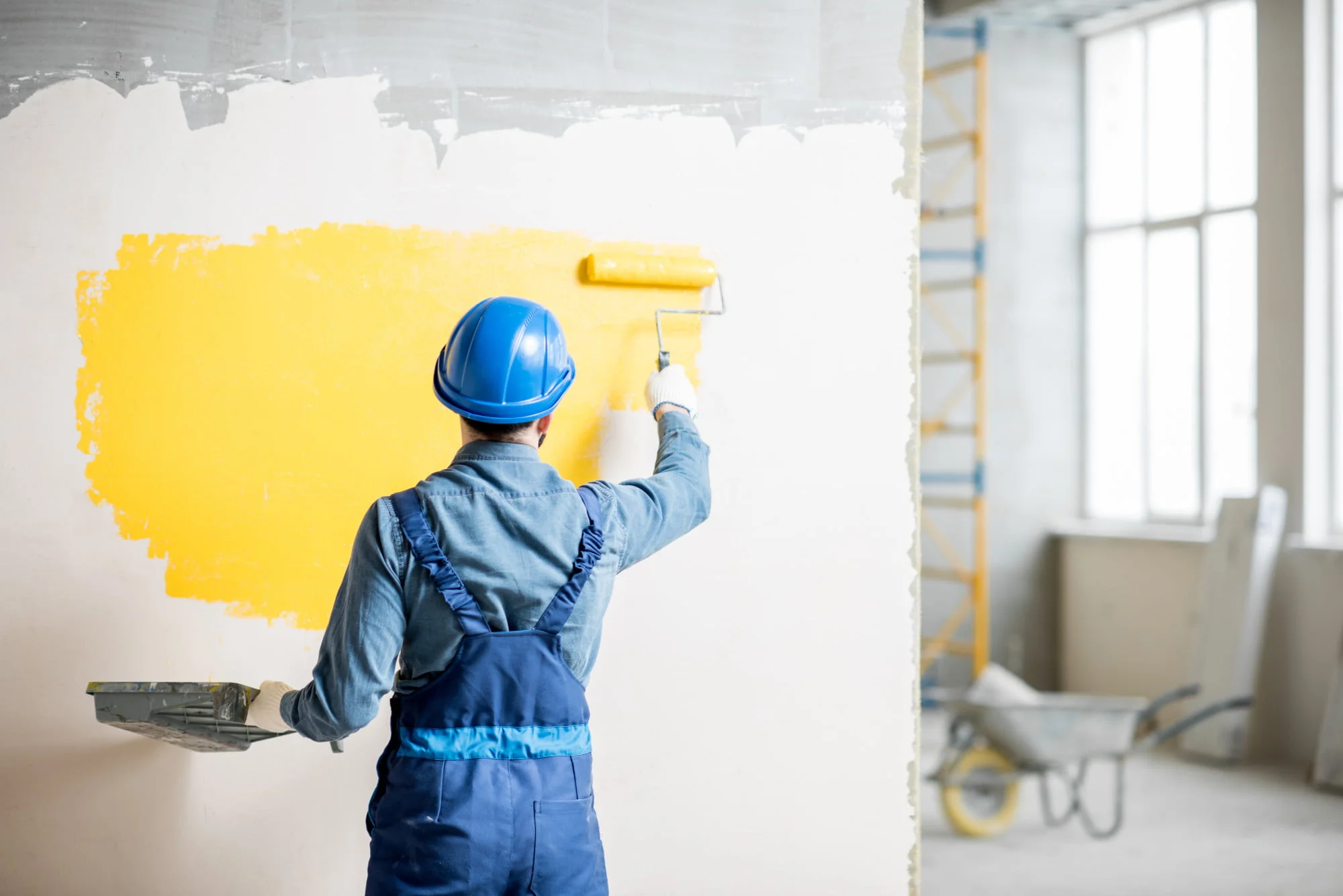
Good painting is not simply about changing the colour of a wall. The condition of the surface underneath the paint has a major effect on how the finished wall looks. Old nail holes, cracks, flaking paint, uneven patches and previous repairs can remain visible through fresh paint when the surface is not prepared properly. That is why wall preparation comes first. Before painting begins, we look at the existing wall condition, the current colour, the new colour and the type of space being painted. Suitable damaged areas can then be filled, sanded or primed before the finishing coats are applied. Colour changes also need planning. Covering a dark wall with a much lighter shade may require a different preparation and coating approach than repainting a similar colour.
Interior and exterior walls have different requirements as well. Interior painting is usually focused on appearance, clean finishing and how the room is used. Exterior walls are exposed to Dubai’s heat, sunlight, dust and weather, so the paint system should be selected for external use and the condition of the surface. Occupied homes need additional planning around furniture and everyday access. Empty apartments prepared for move in or handover can often be approached differently because more of the space is available at once. For offices and commercial properties, working areas, customer access and operating hours may also need to be considered. The goal is to prepare the surface properly, apply the agreed paint system and leave the finished area clean, even and consistent.

Managing Director
Quick Fixit transformed my home in Dubai with their exceptional services. From curtain installation to electrical work, their team was professional, punctual, and detail-oriented. They handled everything smoothly, and I didn’t have to worry about a single thing. I would highly recommend Quick Fixit to anyone in Dubai looking for reliable home improvement and maintenance solutions.

Interior Designer – Dubai
I had my curtains and blinds installed by Quick Fixit, and I’m very impressed with their service. The team was quick, professional, and delivered exactly what I wanted. My living room looks brighter and more elegant now. Truly value for money!

Business Owner – Dubai
Quick Fixit handled all my office glass & aluminum work in Dubai. The finishing was premium and the installation was completed on time without any hassle. Their staff is well-trained and reliable. Highly recommended for both residential and commercial projects.

Property Manager – Dubai
I contacted Quick Fixit for some electrical and home maintenance work. The technicians arrived on time, explained everything clearly, and did a clean job. It’s rare to find such trustworthy service providers in Dubai, but Quick Fixit really impressed me
A smooth finish depends on the wall underneath. We inspect suitable cracks, holes, rough patches and flaking areas before painting so necessary preparation can be completed before the final coats are applied.
Interior and exterior walls have different requirements. We consider the surface condition, existing colour, new colour and intended use of the space before confirming the appropriate painting approach.
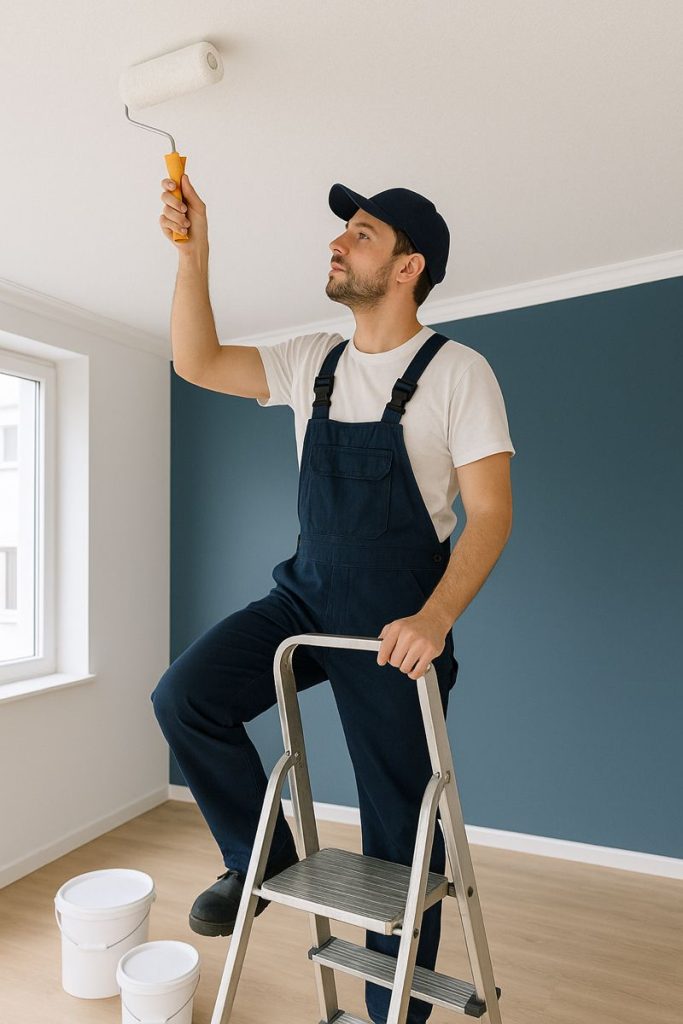
Floors, furniture and nearby fittings are protected before painting begins. The work area is kept organised during the project, with attention to edges, surrounding surfaces and cleanup after the agreed work is completed.
We confirm which walls, ceilings or other surfaces are included before work begins. After painting, visible coverage, edges and finishing are checked and agreed touch ups are completed where required.
Painting solutions planned around different property types and schedules
We paint apartments, villas and townhouses, including bedrooms, living areas, hallways, ceilings, feature walls and suitable exterior surfaces.
Residential projects can range from refreshing one marked room to repainting an entire property before moving in or handing it over. We review the wall condition, colours, furniture and areas included before the work begins.
Floors and nearby furnishings are protected while suitable holes, cracks or damaged areas are prepared before painting.
We provide painting for offices, shops, restaurants and other commercial properties, including walls, ceilings, feature areas and suitable exterior surfaces.
Commercial painting should consider how the space operates as well as how it looks. Customer areas, offices and working spaces may need to be painted in stages or around practical access times.
The existing wall condition and required preparation are reviewed before painting so the agreed work can be planned around the property and business requirements.
A consistent finish depends on preparation as much as the final paint. Our process keeps the surface condition, agreed colours, preparation work and finished result clear from the first assessment through handover.
We review the areas being painted, wall condition, existing colours, desired colours and required finish before confirming the painting and preparation scope.
Floors, furniture and nearby fittings are protected. Suitable holes, cracks, peeling areas and rough patches are filled, sanded or otherwise prepared where required.
Primer is applied where the surface condition, repair work or significant colour change requires additional preparation before the finishing coats.
The agreed paint and colour are applied with attention to coverage, edges and consistency across the surfaces included in the project.
We review visible coverage and finishing, complete agreed touch ups and clean the immediate work area before handing the painted space back.
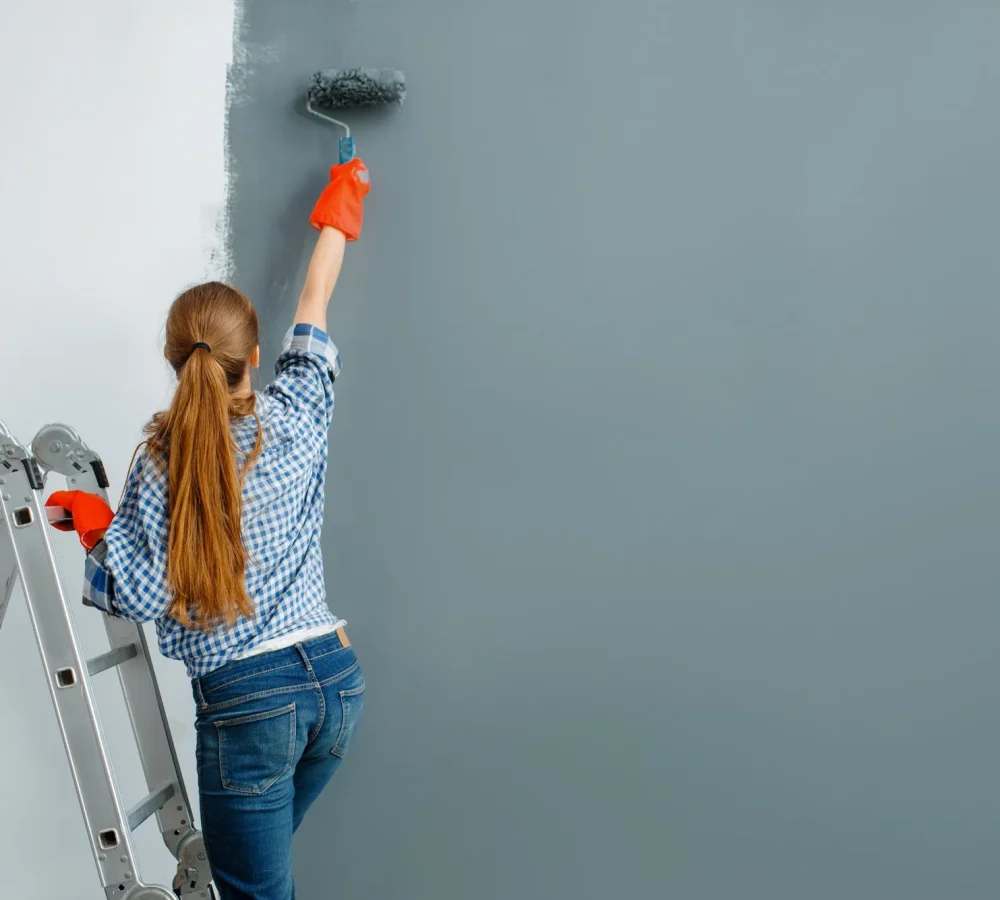
Painting cost depends on the size of the area, current wall condition, paint specification, number of colours and amount of preparation required.
Painting one bedroom is naturally a smaller project than repainting an entire apartment, villa or commercial property.
Preparation can also change the scope significantly. Walls with only minor marks may need limited preparation, while peeling paint, cracks, old repairs or damaged surfaces can require additional filling, sanding and priming before new paint is applied.
Changing from a dark colour to a much lighter shade can also require more work than repainting with a similar colour.
Ceilings, doors, skirting or exterior surfaces should also be confirmed separately rather than assuming they are automatically included.
For an accurate quotation, the areas to be painted and their current condition should be reviewed first.
The timeframe depends on the property size, number of rooms, surface condition and amount of preparation needed.
A single room with walls in good condition can usually be completed much faster than a complete apartment or villa.
If the walls require filling, sanding or primer, the project may take longer because each preparation stage needs to be completed properly before the finishing coats.
Furniture can also affect timing. An empty property is generally easier to prepare and move through than an occupied home where furniture needs to be protected or moved between rooms.
Drying time between coats also needs to be considered.
Rather than using one fixed timeframe for every property, the expected schedule should be confirmed after the rooms and current wall condition have been reviewed.
The exact scope should be confirmed before work begins, but a professional painting project can include several stages.
Floors, furniture and nearby fittings may first be protected. The walls are then reviewed for suitable cracks, nail holes, loose paint or rough patches that need preparation.
Filling and sanding may be carried out where required. Primer can be used when the surface, repairs or colour change make it necessary.
The agreed paint and finishing coats are then applied.
After painting, visible coverage, corners and edges should be checked and agreed touch ups completed.
The immediate work area should also be cleaned before handover.
Ceilings, doors, skirting, decorative finishes and major wall repairs should be specifically listed in the quote if they are part of the project.
Most walls benefit from at least some preparation before new paint is applied.
The amount depends on their existing condition.
A wall in good condition may only need cleaning and small corrections, while cracked, peeling or heavily marked surfaces can require more extensive work.
Loose paint should not simply be covered with another coat because the unstable layer underneath can continue to fail.
Nail holes, dents and suitable small cracks may need filling and sanding so they are less visible through the new finish.
Dust and surface residue can also affect paint adhesion.
The preparation stage becomes even more important when changing from a dark colour to a lighter one or repainting a wall with several previous repairs.
A smooth final finish usually begins with getting the underlying surface into better condition first.
The right finish depends on the room and how much contact, moisture and cleaning the walls receive.
Matte finishes can create a softer appearance and may help make minor surface imperfections less noticeable, which can work well in bedrooms and lower traffic spaces.
More washable finishes can be useful in living rooms, hallways and other areas where walls are more likely to be touched or marked.
Kitchens and bathrooms may require products better suited to moisture and regular cleaning.
Colour also affects the final appearance. Natural and artificial lighting can make the same colour look different at different times of day.
Rather than selecting paint only from a small sample, consider the room, lighting, existing furniture and level of everyday use before choosing both the colour and finish.
There is no single number that applies to every wall.
Two finishing coats are common for many repainting projects, but the actual requirement depends on the condition of the surface, current colour, new colour and paint being used.
A strong colour change can need additional preparation or coverage. For example, changing a dark wall to white or another pale shade may require primer or more work than repainting a similar colour.
Fresh repairs and highly absorbent surfaces can also behave differently from previously painted walls.
The objective should be consistent colour and coverage rather than applying a fixed number of coats regardless of how the wall looks.
The required paint system should therefore be determined after the existing surface and desired finish have been reviewed.
Painting directly over unstable cracks or peeling paint is usually not the best approach.
Loose material can continue to separate from the wall after the new paint has been applied, which can cause the fresh finish to fail as well.
Suitable loose paint should be removed and damaged areas assessed first.
Small cracks or holes may be filled, sanded and prepared before repainting.
Larger or recurring cracks can be different. If a crack repeatedly returns or appears to be caused by movement, moisture or another building issue, that underlying problem may need attention before cosmetic painting is carried out.
Painting can improve the appearance of a properly prepared surface, but it should not be treated as a way to hide an active wall problem without understanding what is causing it.
Yes. Move out painting can help tenants, landlords and property managers prepare apartments or villas for handover.
The required work depends on the condition of the property.
Some homes may only need marked walls refreshed, while others may need more preparation where there are nail holes, scuffs, patches or strong previous colours.
Before painting, it is useful to identify which walls actually need work and whether ceilings, doors or other surfaces are included.
If the property must be returned to a particular colour, confirm that requirement before the painting begins.
An empty property can often be easier to paint because furniture does not need to be moved or protected.
The exact scope should still be based on the handover condition rather than assuming every rental requires a complete repaint.
A close colour match may be possible, but local touch ups are not always completely invisible.
Paint changes gradually with age, light exposure, cleaning and normal wear. Even when the original colour name is known, fresh paint can sometimes appear slightly different from the older surrounding wall.
The existing finish also matters.
If the damaged area is small and the colour difference is minimal, a local touch up may provide an acceptable result.
When the wall has faded significantly or contains several repaired areas, repainting the full wall from corner to corner can sometimes create a cleaner and more consistent appearance.
The affected area should therefore be reviewed before deciding whether a small touch up or a larger repaint will produce the better result.
Yes. Exterior painting can be carried out on suitable villa, boundary wall and commercial exterior surfaces.
External walls need a different approach from interior rooms because they are exposed to sunlight, heat, dust and changing weather conditions.
Before painting, the existing coating and wall condition should be assessed for cracks, peeling areas and other defects that can affect the new finish.
Suitable preparation should then be completed before an exterior paint system is applied.
The exact product should be selected according to the surface and exposure rather than using ordinary interior paint outside.
Accessibility is another consideration. Higher walls or difficult exterior areas can require additional planning and equipment.
For larger exterior projects, the complete working area should be reviewed before the final scope and schedule are confirmed..
QuickFixit offers expert aluminum and glass door repairs, shower enclosures, and sliding door solutions in Dubai. Fast, affordable, and professional service you can rely on.
Our Support and Sales team is available 24 /7 to answer your queries
© 2026 QuickFixit. All rights reserved.